Howrah has long been known as an important industrial and transportation hub of West Bengal. With continuous growth in residential construction, small industries, warehouses, and infrastructure development around areas near the iconic Howrah Bridge, the demand for reliable piping materials has increased significantly.
Among the many available options, Galvanized Iron (GI) pipes remain one of the most dependable choices for water supply, fabrication, and structural applications.
Whether the requirement comes from contractors, factory units, municipal works, or agricultural installations, selecting high-quality GI pipes from a trusted supplier plays a major role in ensuring durability and long-term performance.
Why GI Pipes Continue to Be a Preferred Choice
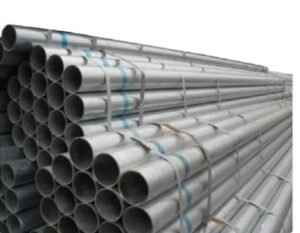
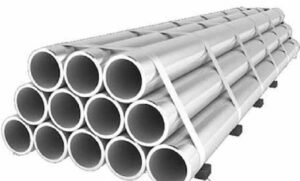
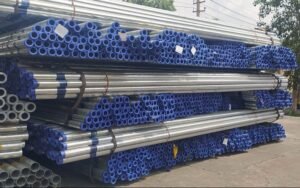
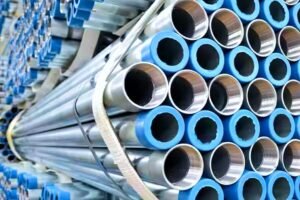
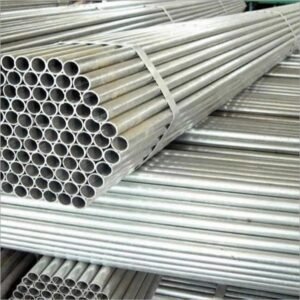
GI pipes are steel pipes coated with a protective zinc layer through a galvanization process. This coating prevents direct exposure to moisture and air, reducing the chances of rust formation.
In regions with humidity and varying weather conditions like Howrah, this protection becomes especially valuable.
GI pipes are widely used for:
Residential and commercial plumbing systems
Industrial framework and fabrication work
Irrigation and water distribution networks
Fencing, drainage, and support structures
Key Advantages of GI Pipes for Local Projects
Excellent Corrosion Resistance
The zinc coating helps protect pipes from rust, making them suitable for outdoor and long-term installations.
Strong and Reliable Structure
GI pipes can handle pressure and mechanical stress, which makes them ideal for both plumbing and structural uses.
Economical for Large Projects
They offer durability at a reasonable cost, helping builders and contractors manage project budgets effectively.
Low Maintenance Requirement
Because of their protective surface, repairs and replacements are needed less frequently compared to untreated metal pipes.
Selecting the Right GI Pipe for Your Application
Different projects require different pipe specifications. Choosing correctly ensures better efficiency and safety:
Domestic water supply: Lightweight or medium-grade GI pipes are generally sufficient.
Industrial installations: Medium to heavy-duty pipes provide added strength.
Structural fabrication: Thick-wall GI pipes offer enhanced load-bearing capacity.
Always check pipe thickness, IS standards, and manufacturer quality certifications before procurement.
Alternative Piping Materials for Specific Needs
Although GI pipes are versatile, some applications may benefit from other materials:
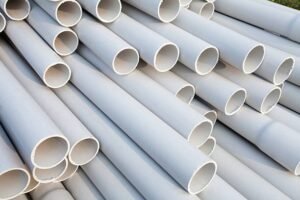
PVC pipes for lightweight plumbing systems
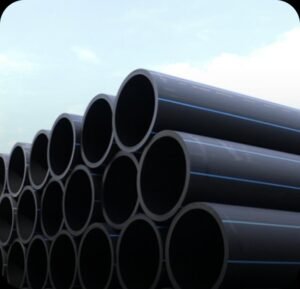
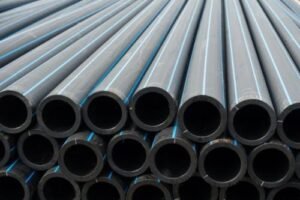
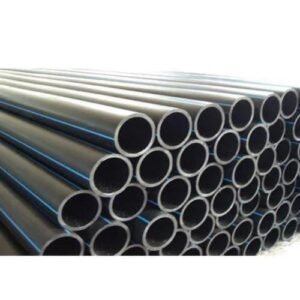
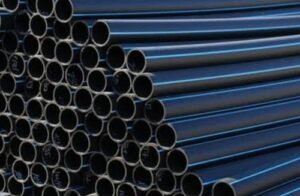
HDPE pipes for flexible irrigation layouts
MS pipes for heavy fabrication work
Understanding the purpose of use helps in selecting the most efficient piping solution.
Complete Piping Solutions for Projects in Howrah
A reliable supplier generally provides a full range of infrastructure materials, including:
GI Pipes for plumbing and structural use
HDPE and PVC pipes for water management
Borewell pipes for groundwater extraction
DI pipes for high-pressure supply lines
DWC pipes for cable protection and drainage
Roofing sheets, fittings, and valves for turnkey installations
Having access to multiple products from a single source simplifies procurement and project coordination.
Benefits of Choosing a Trusted Local Supplier
Ready stock availability for urgent project needs
Competitive wholesale pricing
Faster delivery across industrial and construction zones
Technical guidance for selecting suitable pipe grades
Conclusion
As construction and infrastructure activities continue to grow in Howrah, selecting durable and cost-effective piping materials becomes essential. GI pipes remain a practical solution due to their strength, corrosion resistance, and adaptability across different applications.
Working with an experienced supplier ensures consistent quality, reliable supply, and expert support — helping your project achieve long-lasting results.